 info@abravenew.com
 (206) 746-5024
 2400 NW 80th St, #540, Seattle, WA 98117


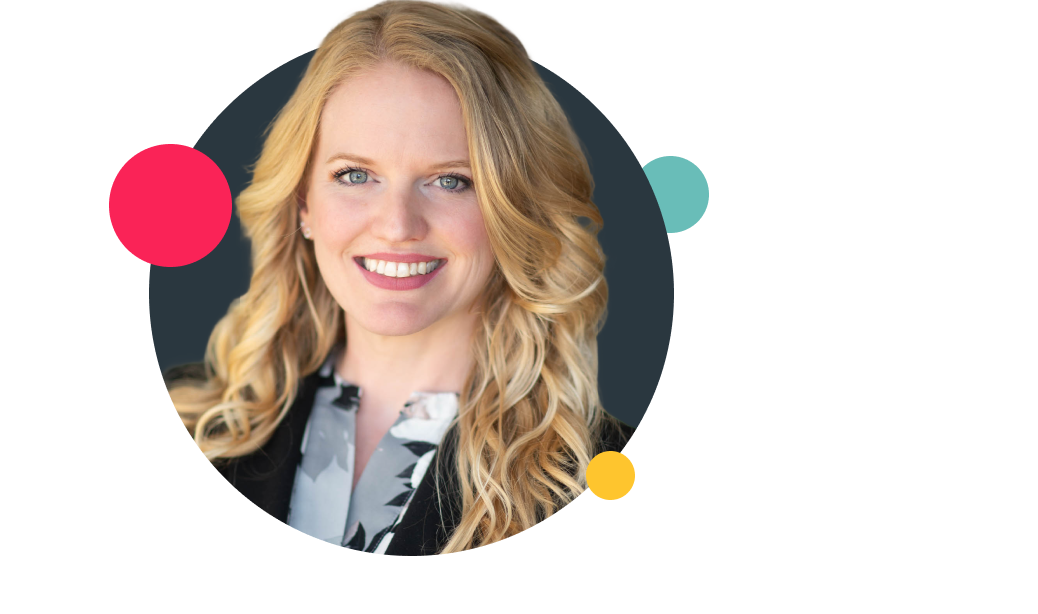
Bridget Locke is Vice President of Strategic Marketing at VitalPath, a leading contract design and manufacturing partner focused on complex catheter solutions for the medical device industry. She specializes in helping highly technical B2B organizations translate complex capabilities into clear market positioning, scalable growth strategies, and high-impact customer engagement.
With experience spanning strategic marketing, sales alignment, brand development, M&A integration, and commercial strategy, Bridget has built and led growth initiatives across the medtech manufacturing ecosystem. Her career has included leadership roles at Vantedge Medical, ATL Technology, Heraeus Medevio, and Northwire, where she partnered closely with executive teams to align marketing, sales, and business strategy in complex and regulated industries.
At VitalPath, Bridget focuses on building a brand centered around collaboration, technical partnership, responsiveness, and innovation, helping OEMs accelerate the development and commercialization of next-generation catheter technologies. She is particularly passionate about aligning strategy with execution, creating strong sales and marketing integration, and leveraging emerging technologies like AI to enhance both customer experience and operational effectiveness.
Based in the Minneapolis-St. Paul medtech hub, Bridget brings a practical, growth-oriented perspective on branding, leadership, and the evolving future of medical device innovation.
What you’ll learn about in this episode:
- How VitalPath differentiates in a competitive market by being the responsive, collaborative specialist rather than the large generalist.
- Why the strongest MedTech brands are built on focus and people, not capabilities lists.
- The importance of understanding your customer journey and what it looks like to map that out in a B2B contract manufacturing context.
- How Bridget approaches sales and marketing alignment, including her perspective on having sales operations aligned within the marketing organization.
- What marketing in a PE-backed company looks like, and how to think about your four distinct audience profiles.
- Where AI is adding value today in MedTech marketing, and where the human touch can’t be replaced.
Additional resources:
Transcript
Josh Dougherty:
Welcome to A Brave New Podcast. This is a show about branding and marketing in the healthcare space. But more than that, it's an exploration of what it takes to create brands that will be remembered and how marketing can be a catalyst for those brands' success. I'm Josh Dougherty, your host. Let's dive in.
Welcome back to A Brave New Podcast. Today I have Bridget Locke joining me. Bridget is the VP of strategic marketing at VitalPath. They manufacture and work with OEMs to manufacture complex catheters for a number of different applications.
I think the work that she's doing and the marketing and branding work that she's doing is a good example of how to grow a really niche MedTech brand. And so we're going to talk a lot about that, about how to grow the brand, how to build consistent brand experience across an entire customer journey, as well as how to build alignment and momentum with your sales team also. So without further ado, I'd love to bring Bridget in and start the conversation. Well, hi, Bridget. Welcome to the show.
Bridget Locke:
Hi, thank you. Happy to be here. Thanks for having me.
Josh Dougherty:
Awesome. Well, I know we have a lot to talk about today, but I wanted to first have you have a little bit of a chance to share your story and tell our audience about your career path and where it's taking you.
Bridget Locke:
Yeah, happy to. So I actually started out my career life in sales. Out of college, I got into the technical recruiting world, did some recruiting for a while, and then quickly moved into being an account executive. And I always thought that I would end up in sales because I really enjoyed that environment of you get as much out of it as you put into it type of thing. But at some point I just really got interested in this idea of marketing and it's a little bit of sales behind the scenes, still all about what motivates people and how do you capture their attention and convince them in a meaningful way.
And so I got this opportunity to get into a manufacturing organization that was B2B, which was Northwire, which is a cable manufacturer, and they had just been acquired by a larger global organization. And so I got in there right after that acquisition and did a lot of focus around rebranding and repositioning and bringing the companies together and how do we sell the full value of both those companies coming together?
And so from there, that started out a little bit more tactical as a lot of people start their careers, I think, in marketing, but quickly partnering with the global leadership team. And that was where I first started learning about application marketing and getting more into how can you really understand your different buyer personas in different markets, and how do you map them out and understand their different needs and take a look at your capabilities and speak to those needs in a meaningful way.
So I really started getting passionate more specifically in the medical space because that was one of our key markets. And so from there as I was growing in my career, I just ended up with some other opportunities. I think I just found my way into this niche MedTech B2B space really around contract development and manufacturing. And I just think that being in MedTech, a lot of people end up here because they want to find some passion in the work they're doing and feel like the work they're doing is meaningful. And I think at the end of the day, even if you have a bad day, the work you're doing is still going towards improving someone's life or saving lives.
And so I think that's something I can be really passionate about and feel good about. And I would say from a career trajectory perspective, I've found myself really drawn to these environments where collaboration and speed are really important. And so I've been in a couple of these roles where I'm the first time marketer. Sometimes it's a little bit smaller company that has experienced some level of growth or potentially they've been acquired or maybe there's been multiple acquisitions and these companies are being merged and coming together as one new company.
And so a lot of that work around building the story and the brand and maybe repositioning the brand in a new target area based on those combined capabilities. And so just really love getting in and building something from scratch. And I've also found myself in these private equity-owned environments, which bring their own challenges, but it's just really exciting and they move quickly. And I just think MedTech in general has such a focus on innovation and speed. And so you get to wear a lot of hats and it's hard to get bored in this space. And so that's what I really love about the MedTech B2B area for sure.
Josh Dougherty:
Yeah. It's nice that there's constant innovation. It's also, I really resonate with your comment about wanting to get up and feel like you are making impact in people's lives with what you're marketing.
Bridget Locke:
Yeah, definitely.
Josh Dougherty:
It's pretty cool. So right now you're the VP of strategic marketing at VitalPath. So can you share with our audience, you are in this niche space, but share with our audience a bit about what VitalPath is all about and what the focus is.
Bridget Locke:
Yeah, happy to. So VitalPath is special and niche. We really focus on complex catheters and so it's interventional catheters. So the type of catheters that are being used in electrophysiology or are like placing stents maybe for stroke prevention, those kinds of catheters. And we actually were three family-owned businesses that came together a couple of years ago as a new company, VitalPath. And we are also PE backed.
And so again, it was this similar storyline of coming in. The companies hadn't really had internal marketing before, but being able to come in and make an assessment about the capabilities and really the differentiators of the companies coming together and what that meant from a perspective of vertical integration within complex catheter manufacturing. We had two companies that were catheter manufacturers and really focusing on sheaths and shaft development. And then we have our third company, which is laser processing or laser components. And so together it offers this vertical integration of the catheter where we can do these different components, but we can also bring them all together as a fully integrated catheter device and do all of the assembly and packaging.
And so we actually partner with medical device OEMs. So our customers are the OEMs themselves. And so we help bring their innovations to life. And so we do from early development and prototyping stage, through full scale manufacturing once they get to commercialization. And we really focus on some of those interventional markets like structural heart, cardiovascular, neurovascular, electrophysiology, like I said earlier.
Josh Dougherty:
Yeah, very cool.
Bridget Locke:
So VitalPath really sits in this unique space of not just building components, but really helping customers solve these really incredibly difficult engineering and manufacturing challenges, which is a fun place to be.
Josh Dougherty:
Yeah, totally. So I'm curious, are there others that are doing similar to you or do you find yourself competing against people who do a portion of the work that you do and maybe not all of them?
Bridget Locke:
Yeah. I think the exciting part about VitalPath is that of course we have competitors, but typically our competitors are larger in scale and they're less focused. So they do complex catheter manufacturing, but they also do several other other things within the space. And so I think VitalPath is a little bit unique because we really specialize in catheters and it's all we focus on.
Josh Dougherty:
Yeah. I think it's a trend that you see people as they are able to really niche down. They can have a lot of success because they can just move faster than people who maybe have part of their focus split, right?
Bridget Locke:
Right, exactly.
Josh Dougherty:
Yeah. Well, great. I want to shift the conversation here a little bit and talk about branding. So first off, how do you define it? How do you define the work of branding?
Bridget Locke:
Yeah, so for me, brand is really about the experience people consistently have with your company. It's important for leadership to come together and try to influence the brand, but it's really about the execution that's important. And so I think that you can do a lot of fancy messaging and imagery and targeted campaigns to pull people in, but it's really important to identify the gap between what you say and what customers consistently experience. Because for me, brand is really that experience that customers have. And B2B MedTech, for me, brand is really built on trust. And then when you get them to agree to consider you, you’ve got to really establish that credibility, but then it's really backed by the execution. And so brand is that full journey and experience, in my opinion.
Josh Dougherty:
Yeah, 100%. I think especially in a space where you have to tie together that experience from sales all the way through to delivery, it becomes if any one of those areas breaks down, it's hard to maintain credibility, especially in a space where you have a couple specialized folks working, right?
Bridget Locke:
Exactly.
Josh Dougherty:
I'd love to hear a little bit. So I think we're all familiar, and in the show we talked to a lot of people who are doing branding in these more, I don't know, niche spaces. But what do you think makes a great brand in B2B MedTech? Because it's a little bit different. It's easy for us to think about consumer brands and those sort of things, but yeah, what is a great MedTech brand?
Bridget Locke:
So for me, it's really two things. Number one is focus. The strongest brands don't try to be everything. They become known for a few things they execute exceptionally well. In our case, it's even more so because we are so niche, but I think for any MedTech manufacturer or contract development manufacturer in this space like servicing MedTech, it's really about what do you do really well and what sets you apart? And if you try to cast this wide net, it's not going to resonate with anyone in a meaningful way, and they're not going to have those takeaways that's going to make them think of you when they have a challenge.
And so I think we've all, in marketing, had these takeaways where sales comes to you and they're like, "Hey, I've been giving this presentation deck every quarter for two years to this customer and they just now realized we have this one ABC capability." And it's like, well, yeah, of course, because they haven't had the pain point yet, or they haven't had the need yet. And so anytime you're going to give a presentation, we try to focus more on telling the story and really communicating the brand and the value of working with us, but there's still going to be some level of capability presenting.
And so anytime you have these lists of capabilities, it's going to be a little bit of eyes glazed over for a customer until they hear that one thing that is like, wait a second, I need that. And it changes over time and it changes depending on their project. And so I do think that you really have to be focused, though, on how do all of those capabilities add up to your main differentiator and being able to get really clear on that is really important.
And then the second thing is people. Because for me, we're really like a service-oriented company because we're speaking to our OEM partners who are typically engineers. And at the end of the day, it's people doing business with people. And if your people don't back up your brand and live out your brand every day, again, you can do as much strategic messaging like imagery, your targeted campaigns, even propping up your subject matter experts and doing thought leadership. Those are all great things and they help educate your customer, but if they're not feeling it in the execution when they're partnering with you, then you're just never really going to have a really great brand.
Josh Dougherty:
Yeah. Well, I'd love to dig in. And this is going a little bit off topic or off plan, but you talked about people and so obviously you've thought about it a lot. I'd love to hear about how have you supported your people to be able to live out the brand? So you obviously think about this day to day a lot, I'm sure, but what are the tools for people who are maybe representing the brand as part of their job, it isn't a core part of their job description. How do you equip them to do that?
Bridget Locke:
Yeah. And I think at VitalPath, we try to spend a lot of time mapping out the customer journey and understanding the different entry points for a customer and who they're going to be interacting with at those different entry points and really arming that team and ensuring that they understand the overall ... I guess, I want to say the vision, the mission, the values. Those are all table stakes for an organization, but it's more so what we try to highlight is the behaviors of the organization and what we want our team to be emulating to our customers and how can we influence that experience that our customers are having?
Even if things aren't going the way we want them to on a project, how can we still make them have a good experience with us? And so I think it's more so around that kind of communication and making sure that the leadership team is having these touchpoints with the rest of the organization and that they understand where the company is heading and what those differentiators are that we are really using to position ourselves to our customer so that they understand that they are a part of the brand and they are influencing the success of our company. And that it's not just our salespeople on the front lines, it's every interaction, it's every email, it's every phone call, and it's internal and external. So I think just having that open communication and being able to share some of those success stories and showing it through examples is something that we try to do, and I think it’s important for the team to see the evidence of it.
Josh Dougherty:
I love that thoughtful process, and it reflects your emphasis on people too. It isn't like you can do one linear thing with people, it's a constant conversation to keep things top of mind. So we've talked a lot about being laser focused on that differentiation. What about for your brand? You talked about what you do, but I'd love to hear what you want VitalPath as a brand to be known for. What's the differentiator?
Bridget Locke:
Yeah. For us, I think it's really around we want to be known as an impassioned partner that our customers trust to solve difficult problems in a collaborative way, but that we move fast without sacrificing quality. So a lot of the value we bring to our customers is our team and the expertise that we have on our team. And so it's really around how do we package that and scale it for our customers.
Josh Dougherty:
Yeah. I love that it has nothing to do with catheters. It's about how do you want the experience to feel, at the end of the day.
Bridget Locke:
Exactly.
Josh Dougherty:
Are there any other pillars or attributes of the brand that you think about?
Bridget Locke:
Yeah, for sure. So as we talked about earlier, we do have competitors, of course, and I think the reason why I don't so much highlight catheters is because some of the catheter capabilities are a little bit of table stakes. If you're in catheters, you have the same capabilities. You have extrusion, you have assembly, you have braiding. So there's certain things that you just have to have to be a catheter manufacturer, but I think what we really have that's really unique to VitalPath and is part of the culture that we have here is really about being collaborative, also being really responsive.
So we understand our customer's unique needs across their journey, like I mentioned earlier. We try to spend a good amount of time looking at the overall customer journey and again, where are those entry points? Because we will sometimes partner with a customer early in development where they have a couple of ideas, but they need some prototypes, they need some to get something in their hands to test out some concepts. And we know that at that point, speed is the most important for them. So it's like, what do we have on hand that we can build for them to get something in their hands and they can see what works best for their intended device.
But then sometimes people will come to us a little bit further in their process where they've maybe already gotten through some of their DV testing or maybe they're in clinical and they're having some supplier issues and so they're looking for a partner that can scale with them. And so it's more about how can we come in and just manufacture at scale? Maybe we can improve some processes. Typically, design is frozen, but we can help in areas that will make their product easier or more cost-friendly to manufacture at scale.
And so I think for us it's all about that responsiveness depending on where they are in their project and what their biggest pain points are, but also having the collaborative approach of knowing that our teams internally have to work together, no matter where that entry point is, we’ve got to be bringing in other team members so that a customer always has some initial pain point that speed might be really important initially, but we know that further down the line, cost is going to be the most important or function.
So we just have to bring in the right resources on our own team to keep those different pain points in mind and the different needs. And so again, it's like that the collaboration, the responsiveness, I would say that's another differentiator for us from a people perspective is that a lot of our competitors are larger and so they have more bureaucracy they might have to deal with. When you're larger and a little more cumbersome, it's harder to have that responsiveness and be quick in your actions. And sometimes they're not even willing to create prototypes without knowing-
Josh Dougherty:
Yeah, because they're just working off of a template of how they do things.
Bridget Locke:
Exactly. Yeah. And they only want to work on a certain size project and so they won't consider earlier development stage projects. And so that's where I think just being really execution focused and having that partner mindset to meet our customers where they are with the needs they have is really part of that overall brand experience that we want our customers to take away.
Josh Dougherty:
Awesome. That's great. I was going to ask a question about how your design process embodies the brand, but I think you've been talking through it, of how you go about tailoring the process to each customer.
Bridget Locke:
Right, exactly. Yeah. So depending on where they are in their project, which team members are they going to be partnering with first at VitalPath, but while always keeping that next milestone in mind. We have a phase gate project approach, and so we're always trying to keep those gate reviews in mind and when we need to pull in the right resources to ensure we're not missing the mark somewhere, because sometimes we're so focused on one phase of a project. We want to make sure we're keeping the whole program in mind. So we're just trying to keep that collaborative, responsive spirit throughout the journey with our customer and just emulate the brand the whole way through.
Josh Dougherty:
Totally. Yeah, that's great. I have one more brand-related question then I want to talk a little bit about some other topics, but I'd love to hear … Obviously you work in a narrow niche. How does that narrow niche impact your efforts to build awareness or to drive growth? Are you more focused on growth? Is there a big awareness job to do? How does being so focused impact those two things?
Bridget Locke:
Yeah, I think initially, it was more about awareness, especially as we were coming together as three companies as one. So it's really telling that story and reestablishing the brand as a new company or a new value that we're bringing as one company—but it's grown over the last few years as more focused on that growth. I think the hard part for us, when you your differentiator is your people and it's the experience people get when they work with you, you don't really recognize that as a customer until you are a customer because it's a feel, it's an experience.
And so it's the partnership. So it's hard to sell that level of, you have to have some level of trust and see the execution to recognize that that really is the value that that company is bringing. And so we try to look at ways that we can tell that story outwardly and not just say it, but prove it through case studies and things like that. Or, being able to position our leaders as thought leaders—and show that they have that expertise and that our process does reflect our brand — in as many ways as we can, but a lot of it's still going to be the proof is in the pudding once they come in the door.
So I think for us from this niche, how does the niche focus impact awareness and growth? For me, it's really about looking at our customers and understanding it's a fun space because we have very highly educated and intelligent personas and they do a lot of research on their own. And so the great thing for me being in marketing is that when you have a smaller TAM or total of available market, precision is really important. So reputation, relationships matter.
And it's not about casting a big, wide net, it's about really targeted campaigns and making sure you understand your customers within the market they're serving and the types of procedures that their devices are performing in and what's the physician feedback that they're getting and where's the innovation going? So it's an exciting space. I think, for me, I'm really a big fan of thought leadership and building thought leadership and positioning subject matter experts within the company. And I think this space, it's critical to do that because when you're selling your people, people have to see your people.
And so trust compounds over time. And so the more touchpoints you can have with your team, people or your customers, your audience will start to recognize that more authentically because they're seeing it more times. And so the hardest part of my job is reminding the organization that it's never just about one marketing activity. It's really the integrated campaign approach or integrated marketing approach. It's like the sum of all the parts that result in the win.
So I think education-based marketing works really well in this space and that's what I love about being really niche is that you have this opportunity to educate in a very specific way. And the one nice thing is that each of our markets are very unique. Even though we're specifically doing catheters, each market has their own drivers for what's important to them from a device perspective and what the key attributes are to be able to perform the procedure they need to perform. So it's still lots of good variety and it's exciting to learn about those different spaces for sure.
Josh Dougherty:
I actually love the narrow market because it gives you the chance to be, I think, more creative. And you alluded to this a little bit, the ability to be so much more specific so you can think of content and thought leadership that is going to be way more targeted, way more helpful, way more beneficial to people over time.
Bridget Locke:
Exactly.
Josh Dougherty:
As long as you can get people to do it over and over again. I think that I talk to a lot of my clients is like, you can't do this even for three months. This is like a year to two-year play and we need to ... It's a weird dichotomy in marketing, I think, today, that you cannot look at an individual thing. We have more data than we ever had, and we have more ability to look at those individual metrics, but it is the whole ecosystem that you're creating that influences all the metrics in weird ways that you might not expect.
Bridget Locke:
Right. And I think we all probably learned the marketing rule of seven, which I always joke is like the marketing rule of 700 now because we're so inundated with messages and ads and information. And as marketers, we have to stay on the trends of, okay, well, where are we going to reach our audience with all of this information, and how do we stand out against the sea of information? But I think also being able to set yourself up to gather data about your customer. I think now we're so lucky that we have ...
Digital marketing used to be so nebulous in the past where you would try things and you had no idea if it worked or not. But now, we have so many ways to gather information and data about what we're doing in digital marketing and how it's reaching our customers and even how it really does make each of these touchpoints become one part of the journey for how someone is interacting with your brand and eventually hopefully converting. It's really fun to map those out and see what was the final thing that convinced them, and what were all those touchpoints along the way.
Josh Dougherty:
Yep. And I think, too, it gives you the chance ... Having all that data gives you the chance to be smarter and be more confident too with new efforts in the future, right?
Bridget Locke:
Exactly.
Josh Dougherty:
Because you're able to be so much closer, I think, to your customer in general today.
Bridget Locke:
And I think that the more you do it and the more data you gather, the quicker you can be next time to hopefully hone in on which touchpoints are going to work best given your campaign goal, I guess.
Josh Dougherty:
Totally, totally. So in marketing, you're all about building that awareness, driving growth. But you obviously have a sales organization as well that you're working with closely, and that alignment is super important because you've got to be telling that same story. We've talked about the brand inconsistency throughout. So can you tell me what you've been able to do in your organization to build that alignment and to keep momentum going from that handoff from marketing into sales?
Bridget Locke:
Yeah, definitely. So I think when sales and marketing or even marketing and the rest of the organization are misaligned, customers feel it immediately. And I think I've been very lucky throughout my career that I've had the opportunity to be really closely aligned with sales and be part of the commercial organization, which I think is really important because then you really have shared goals and you're using shared language, even better if your metrics are shared. That way marketing really should be supporting revenue and not just activity.
And I think also it's really important for marketing and sales to have these tight feedback loops. So marketing should have all of the strategy around who your audience is and what your messaging should be and how you're going to reach that audience. But then you’ve got to be able to work with your sales team to get that feedback of, okay, how is this actually working? And based on your experience following up with these contacts and having further conversations with them, is it really working the way we intended? Are we really reaching the right audience or do we need to pivot or tweak things?
Again, with digital marketing, it's so easy to go in and quickly make some tweaks to an audience profile and reassess based on the results. And so I think being able to have that open relationship with sales and have this kind of mutual understanding and trust with each other is really important versus I think some organizations end up with this like, well, marketing's bringing in all the leads and then sales not doing anything with them. But if you can get this mutual understanding that you're both working towards the same goal and you both understand the strategy and the trajectory of the company to achieve your growth goals, then it just comes together so much better.
And here at VitalPath, I was really passionate about having sales operations report to marketing because when I started a couple of years ago, we were really building out our CRM for the first time. And so having someone come in and build out your CRM and being able to right away build in those ways to measure customer journey from initial campaigns and reach outs to lead conversion, all the way through to becoming a reoccurring revenue, reoccurring customer was really important and being able to ...
I think marketing has to treat sales a little bit like a customer because you have to prove to them as well through the data and through the customer journey points that marketing is influencing their journey along the way. And it's not just the initial conversion, it's all along the journey. Again, how marketing is helping support other functions to continue to execute on the brand. And so I just think for us, having a sales operation who's analyzing our data, keeping our pipeline really up to date, ensuring that progression is happening.
This function also connects with our engineering team and helps with the program dashboard management to, again, continue that customer journey of not just coming in as a lead, but then sales is having conversations with them about the opportunity and opportunity qualification. But then once we actually have a project with a customer, we have to, again, stay very closely aligned and ensure that our customers aren't just going into a black hole that we have no visibility of. We want to make sure that these touchpoints are continuing and that we're tracking towards milestones. That's how we're trying to ensure that again, we're executing on that brand, and really measuring that progression and that customer insight, I guess, is how our customer's needs are changing over time and how do we support those?
Josh Dougherty:
Yeah. So in your organization, as you look at that whole journey, you have sales ops working for you. Is marketing accountable for actual revenue goals or how are you sharing the KPIs to be successful?
Bridget Locke:
Yeah, so we're definitely looking at pipeline contribution. We have our own marketing funnel of here's the opportunities that have resulted from marketing campaigns. And we're really trying to do a good job of mapping all the different touchpoints that contacts have that interact with us, but that's really at the contact level. So when we are looking at our opportunities in the pipeline, we're trying to pick one of those touchpoints that resulted in the opportunity, but I think we are measured based on pipeline progression and then overall pipeline that marketing is contributing to.
Josh Dougherty:
Yeah, makes sense. So as we wrap up here, two more questions. The first I'm interested to hear about, you mentioned at the beginning you are backed by private equity, so I'm interested to hear about how does that alignment go? You have to stay fully aligned with their goals as well. So what does that look like for sales and marketing?
Bridget Locke:
Yeah, I think private equity is a unique space. I think you either love it or hate it. I love it. So I'm happy to be in this space. But I think when you are in a private equity-owned company, you really have four audience profiles. So you have your typical external customer that you're trying to sell to, you have your internal employees that you want to make sure they understand your brand and can represent it well. But then you also have your PE firm that owns you and then you have your potential buyer. So maybe for people listening that haven't been in a private equity organization before, companies will get purchased by a private equity firm.
It's basically an investment firm, and sometimes they focus on different levels of revenue or they'll focus on certain industries or servicing certain markets, but typically they'll have a portfolio of companies. And a lot of times they'll focus on a certain level of revenue. Say they'll buy $20 million companies and grow them to $100 million, and then they'll maybe sell them to a different private equity firm that focuses on a hundred million to 350 million, for example.
So I think when you're owned by private equity, you really have to be thinking about making data-driven decisions and your long-term value creation. So how can you help not just position the company to be looked at as a trusted partner to your customers, but also how do you position the company to look like a sophisticated company that can execute and has a long-term pipeline and is a company that someone's going to want to acquire or that a different PE firm is going to want to invest in.
And a lot of times, I've been more so joining companies that are a little bit smaller and maybe we're family-owned companies and are getting purchased by private equity and then they're going to be grown to a certain level. I think what's unique about that space is that they've been successful. They've done a great job. Obviously, if they've grown their company to big enough to be purchased by a PE company, they're doing something right. But a lot of times what got them to that point is not going to get them to where the PE firm is expecting them to get. So you have to get more sophisticated, you have to really focus on structure and processes and consistency.
And so it's fun to build that out and grow the team along that trajectory. I think from a marketing perspective, it's so important, again—which is why I wanted sales ops on my team—to really build out that pipeline visibility and where are our customers coming from and what are their pain points and what's important to them along the journey? How can we measure ROI on marketing? It's easy for marketing to get into this transactional, almost like service function, if you don't get really strategic and in front of the data to be able to present again, the proof is in the pudding. So if you can show the results of all the work you're doing in marketing, then you're not getting put back on your heels and trying to explain things, right? So that, to me, is really important.
Josh Dougherty:
It's vital in that situation, right? Because if you're looking at a couple year time horizon to whenever the next sale or investment is, whatever it looks like, like a PE firm's going to be pretty ruthless about finding what works. So you've got to show that what you're doing works, which is-
Bridget Locke:
And they're not super patient either. So being able to quickly-
Josh Dougherty:
I use ruthless in terms of more of a quick to a decision because there's a time span on their investment, right?
Bridget Locke:
Exactly.
Josh Dougherty:
If you like that pressure, you're going to thrive in that situation, right?
Bridget Locke:
Exactly.
Josh Dougherty:
Well, as we close out, I'd be remiss to not ask a question about how you're using AI in your brand and marketing efforts. Where are you seeing success right now? I think we hear a lot of people saying everything is getting automated. And then I dig into conversations and they're getting automated, but what are some of the things that you're seeing that have been successful for you and your team so far?
Bridget Locke:
Yeah. Well, I feel like there's a lot of conversation around AI and how everyone should be using AI, but I also feel like no one really knows how to use it yet really effectively. We're all still learning a little bit. But I think for us, at least so far, is that we're seeing AI just supporting efficiency and insights, helping accelerate some of that content development and that early analysis, being able to help teams focus more on high value strategic work.
So where can we take some of these more administrative tasks and automate them or use AI, versus having someone who has a lot of expertise, spend a lot of time on those mundane things. Because we do have such an educated buyer who knows exactly what they want, they're engineers in our case, we still need the human expertise and the authenticity to come in. So we can't just fully rely on AI to do all of those things. But for sure, where can we automate our workflows? Even within the customer journey, we're trying to look at where can we automate again, some of that admin work and at least create trigger points or some of these milestones that help the team.
For us, it's about again, pipeline progression. So where can we add in some of that automation to help the team progress either their opportunity or their project and make sure it's moving? When you have a lot on your plate, potentially you're not even realizing how long something is taking or that you miss the mark on something. And so just being able to have that support from automation or from AI is helping move the needle from my perspective.
Josh Dougherty:
What do you think in the next ... So I think you're using it similarly to many people, and I do think we're finding that, yes, there's some content or things that can be created by generative AI, but it needs to be specialized and focused and that's still a human that can do that best. But I think we're also seeing this period of rapid progression, and things are changing really quickly. So is there something that you think in 12 months that will be vastly improved in the AI world that you're excited to see how it develops?
Bridget Locke:
There's a lot of opportunity for AI that looks interesting in terms of, like we were just talking about, really being able to take some of those admin tasks and eliminate them from our engineers, for example, who are highly technical and spending time on some of those tasks is just a total draw. So I think they're trying to utilize them for things like helping with process documentation or the paperwork of we know how to build this and what the process is, but then you have to do all the technical writing to be able to translate that into work instructions that any operator can follow. And so this isn't necessarily specific to marketing, I guess, but it's like part of the journey for the customer is moving again, the pipeline progression of if you're stuck in all of this paperwork, then it's hard to move a project forward.
And so if we can get AI to be smarter and a little bit more intelligent so that it's doing a little bit more of that work, I think right now it can get you to a baseline of something that you can edit, but there's still a lot of editing that needs to happen. And so even from a marketing perspective, I think if you're using AI to help you draft some content and maybe do some initial research for you of maybe it's like keyword research or maybe it's like what is the ...
With Google Ads, for example, how is the AI tool finding websites, but how do we get more intelligent with that data that AI is giving us, and how do we get AI to be closer to the mark? Because I think right now there's still a lot of human interaction that has to happen to make it really useful. And I think for us from a trend perspective, we're really trying to look at where our customers are going and how they're going to be needing even more integrated devices.
And so we have to think about too, from an AI perspective, are they going to be using AI and what data are they going to use, especially in some of these areas where robotics are being incorporated into MedTech, and how do we ensure that our capabilities to manufacture the devices that they're utilizing are going to keep up with that level of technology. So it expands from there, too, of versus day-to-day tactical things, but also what's coming down the pipeline in terms of needs from our customers, too.
Josh Dougherty:
Yeah, yeah, yeah. I think the thing that really struck me is we needed to be more intelligent. And I think it's like I find AI to be quite intelligent. It's not very intuitive sometimes.
Bridget Locke:
Right. Yeah. It doesn't have to [inaudible 00:46:09].
Josh Dougherty:
Like, just turn this over to an agent. I'm like, I don't know if I trust this agent to make the right decisions.
Bridget Locke:
Yeah. Right. It can't read the room yet. So that's where we need that human touch for sure.
Josh Dougherty:
Exactly. Awesome. Well, thank you so much for the conversation today and for joining the show. I'd love to share how people can connect with you. What's the best way for them to follow along with what you're doing?
Bridget Locke:
Yeah, I think LinkedIn is a great place, for sure. People can feel free to request to connect with me or follow the VitalPath LinkedIn. Of course, the VitalPath website is a great way but even industry events. If you're in the MedTech space, I like to try to be at the events where our customers are showing up and where our partners are and even other suppliers to see trends and where the industry is going. So definitely come say hi.
Josh Dougherty:
Awesome. Well, thank you so much, Bridget, for coming on and sharing all your expertise. Really appreciate it.
Bridget Locke:
Thank you. Happy to be here.
Josh Dougherty:
Thanks for listening to this episode of A Brave New Podcast. Go to abravenew.com for more resources and advice on all things brand. If you enjoyed this episode, show us some love by subscribing, rating, and reviewing A Brave New Podcast wherever you listen to your podcasts. A Brave New Podcast is created by A Brave New, a branding agency in Seattle, Washington, that crafts bold and memorable healthcare brands. Our producer is Rob Gregerson.

Similar Articles

OCT 11, 2021
The Beginner’s Guide to Generating Inbound Leads
Marketing doesn’t have to be painfully intrusive, like getting yet another telemarketing call right when you sit down to dinner with your family.
OCT 11, 2021
The Beginner’s Guide to Generating Inbound Leads
Marketing doesn’t have to be painfully intrusive, like getting yet another telemarketing call right when you sit down to dinner with your family.